

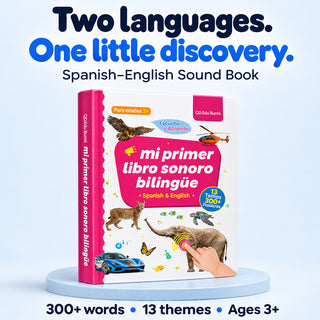
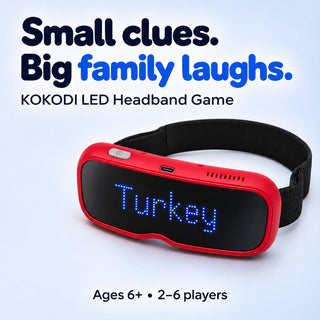


Most toys are played with safely every day. Still, the U.S. Consumer Product Safety Commission (CPSC) reminds shoppers each holiday season that a few simple checks prevent most problems.
Key takeaways
- Read and follow the age label. It is about safety, not about how clever a child is.
- Most toy-related injuries and deaths involve choking on small parts, according to the CPSC.
- Keep small parts away from under-3s, balloons away from under-8s, and magnets and button batteries out of reach.
~150,000ER-treated toy injuries among U.S. children in 2020 (CPSC)
Under 3no small balls or toys with small parts
Under 8keep balloons away
Here is a checklist based on the CPSC’s published guidance.
Before you buy
- Read and follow the age label. Age grading reflects safety and developmental stage.
- Think about everyone in the house. A toy that is fine for a 6-year-old may have small parts that are dangerous for a younger sibling.
- Look for the choking-hazard warning, especially when shopping online for toys and games with small parts, balls or marbles.
- Buy from stores and online retailers you know and trust.
- Check for recalls, for both new and second-hand toys, at cpsc.gov/recalls.
By age
Under 3Keep small balls and toys with small parts away. They are choking hazards.
Under 8Keep balloons away, especially latex balloons, and throw away broken pieces immediately.
All young childrenKeep high-powered magnets and button or coin batteries out of reach. They are dangerous if swallowed.
When the toy arrives
- Remove and throw away plastic wrapping and packaging right away.
- Check that battery compartments are closed securely.
- Look the toy over for loose or broken parts, and repeat the check now and then as it gets used.
- If the toy is a scooter, bike or other ride-on, add a properly fitted helmet to the gift.
During play
- Supervise young children, especially with new toys.
- Store toys for older children separately from toys for little ones.
- If a toy seems dangerous or breaks in a hazardous way, stop using it, put it out of reach, and report it at SaferProducts.gov.
Not sure about a toy?
Every product page in our store lists a recommended age. If you are ever unsure whether a toy suits your child, contact us and we will help.
Shop by ageEvery toy in our store lists a recommended age.
Shop all toys
Sources
This checklist is general guidance for U.S. shoppers and is not a substitute for the instructions and warnings that come with each product.
 1
 2
 3
 4
 5
 6